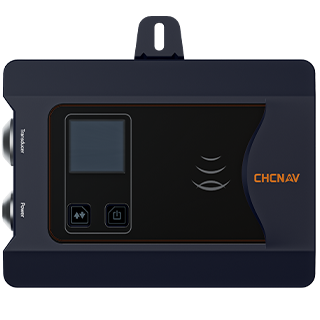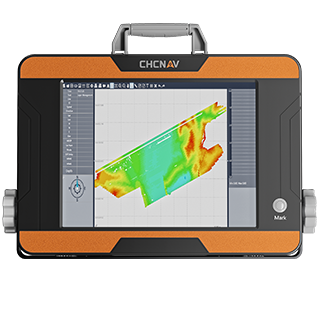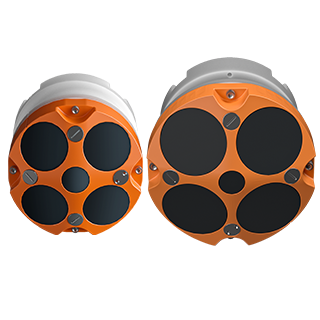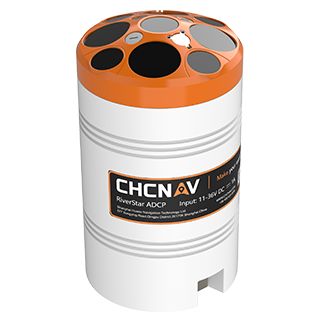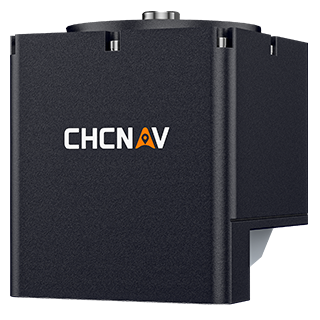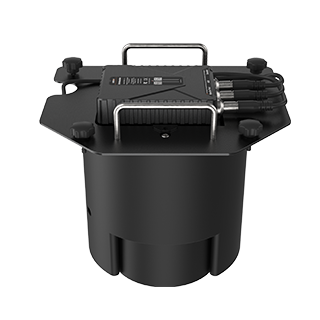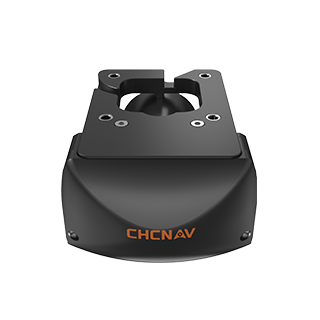

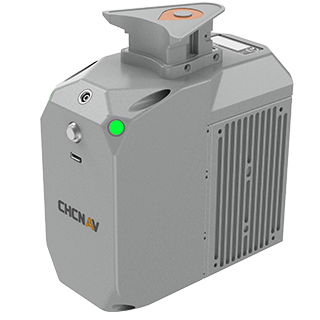
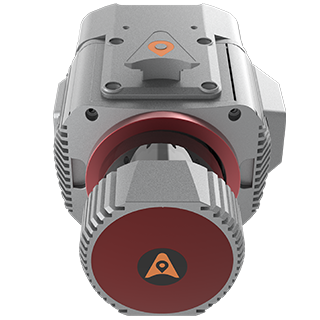
Multibeam Echosounder
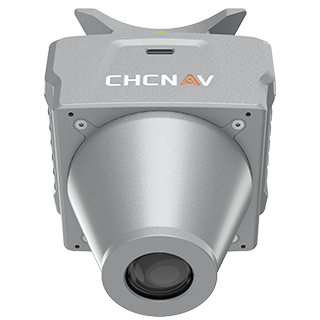
400 kHz and 550 kHz with FM CHIRP
0.03° roll and pitch accuracy
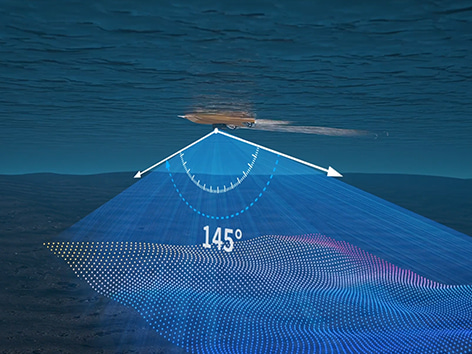
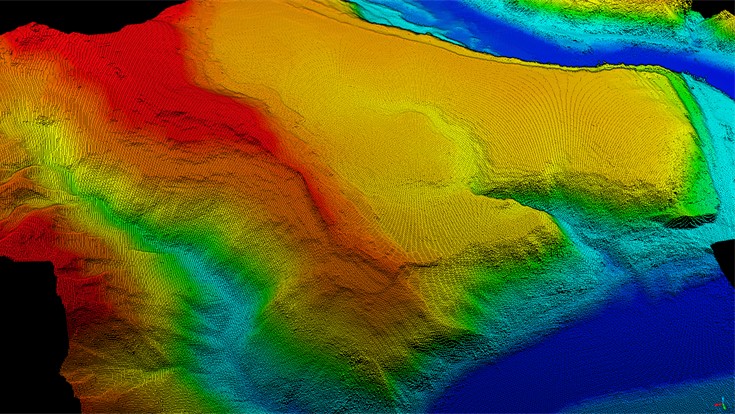
145° swath, up to 6x water depth
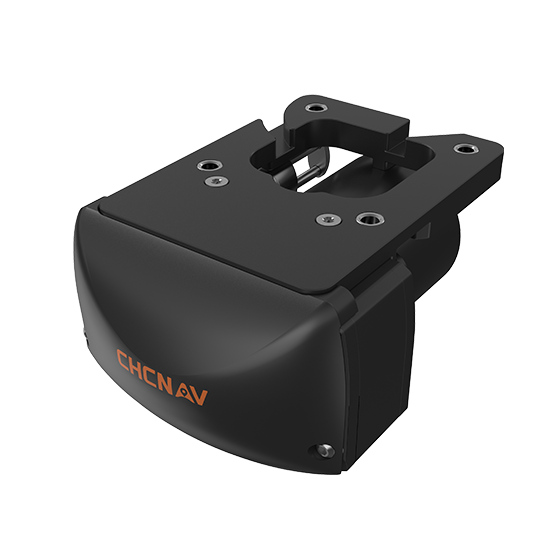
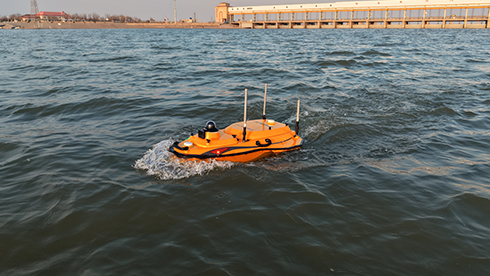
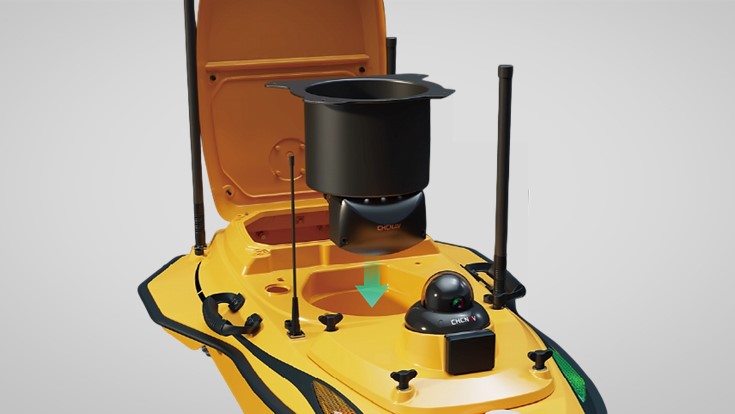
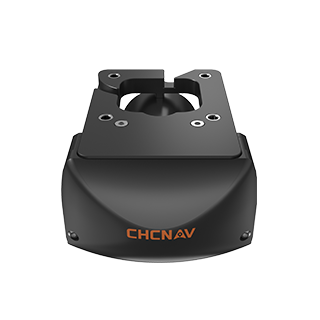
3.5 kg, easy deployment on USVs
Channel Dredging
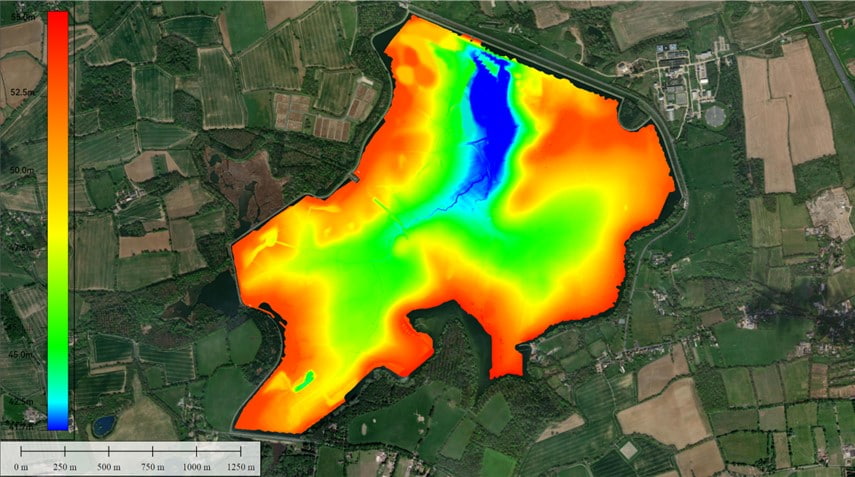
offshore Surveying
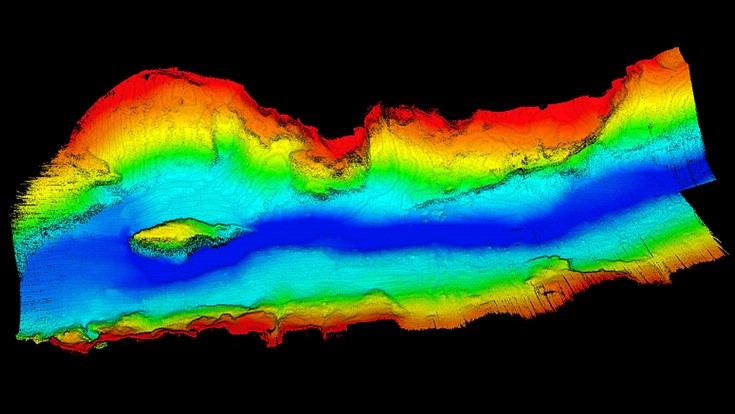
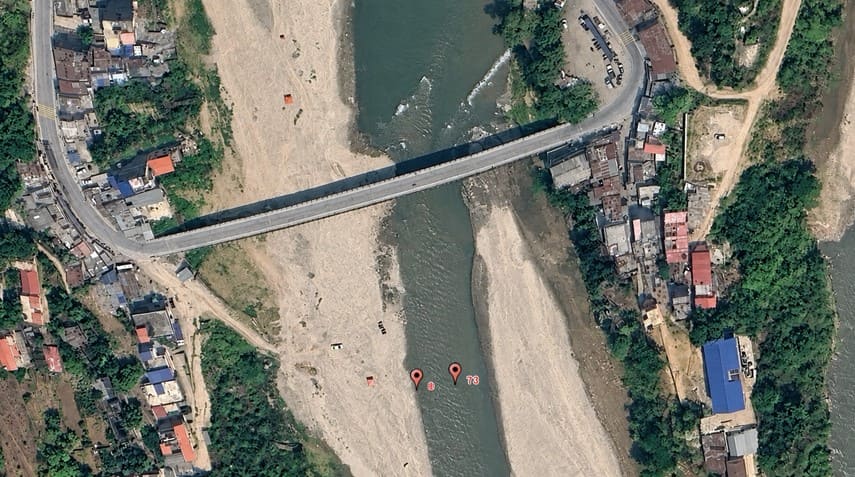
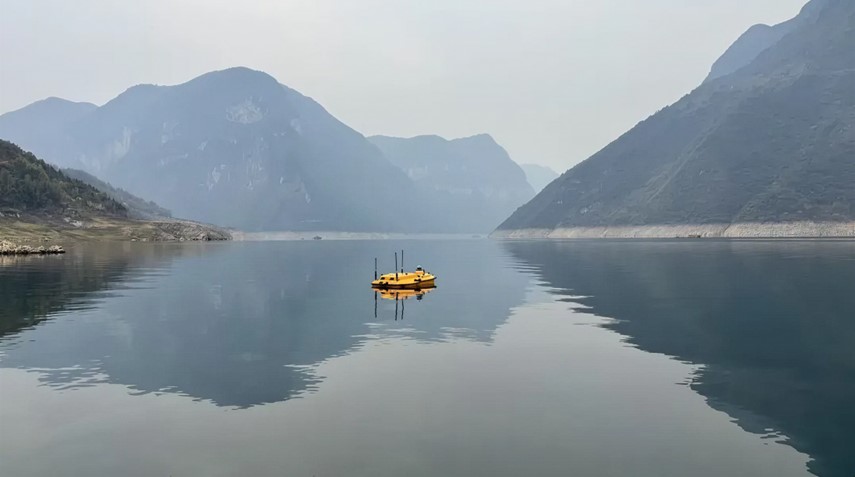
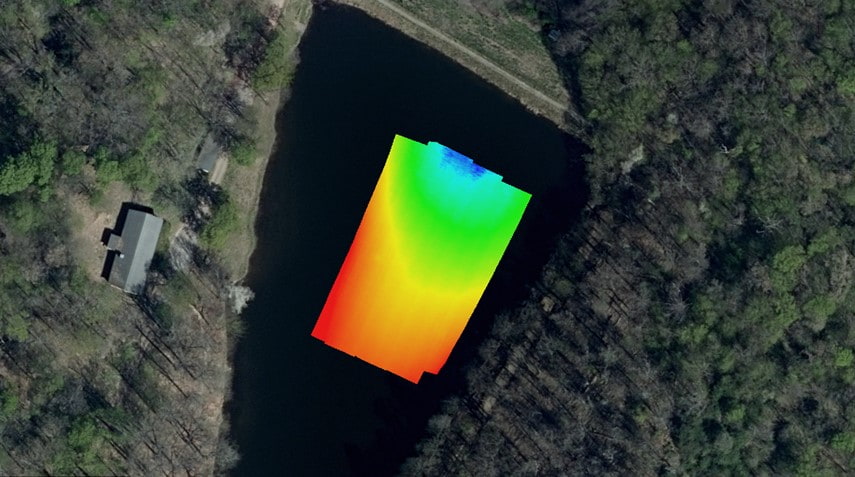
River and Lake Surveying
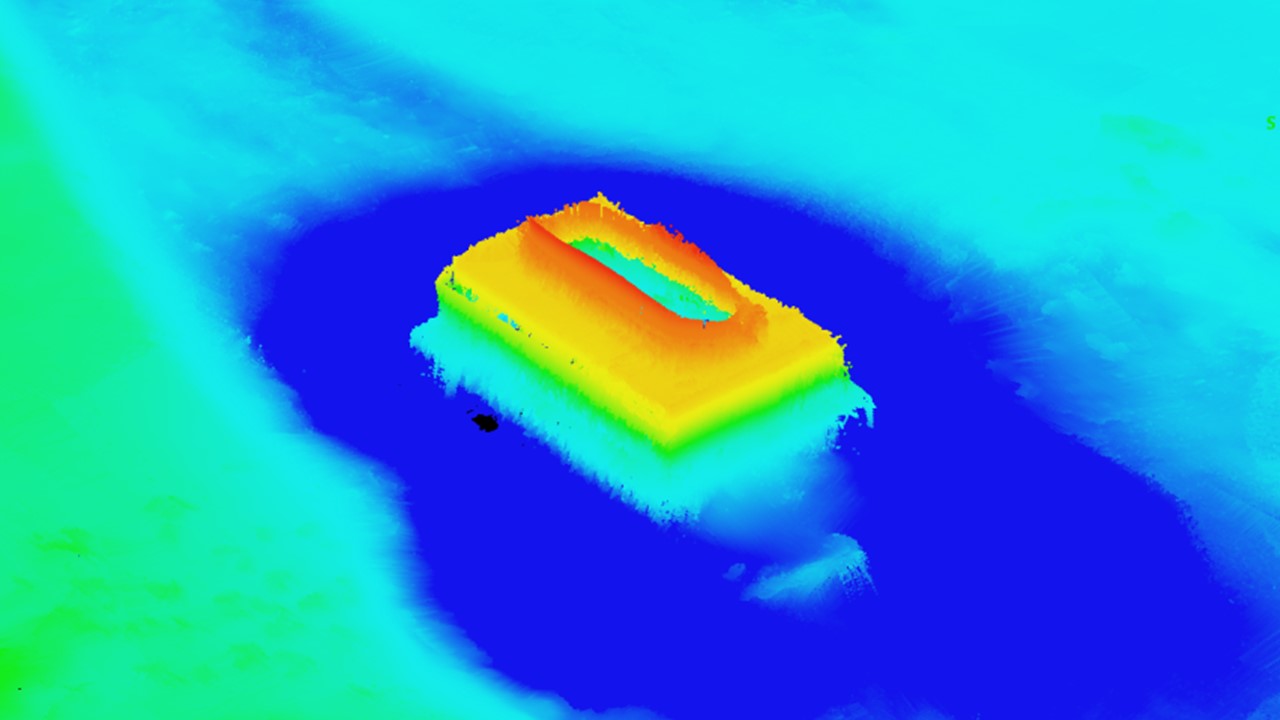
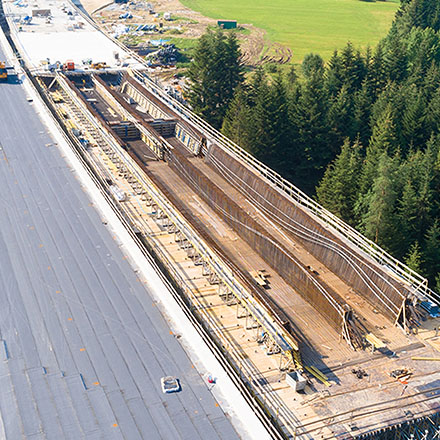
Port and Bridge Inspection
Multibeam Echosounder
SEEKING FOR PERFECT SOLUTION TO FIT YOUR NEEDS?
Contact CHC Navigation to create a customized solution tailored to meet the specific needs of your business.
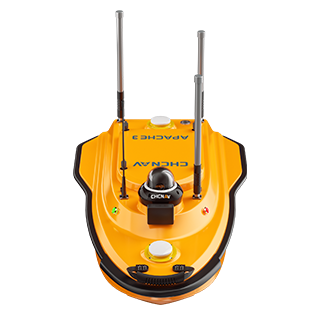
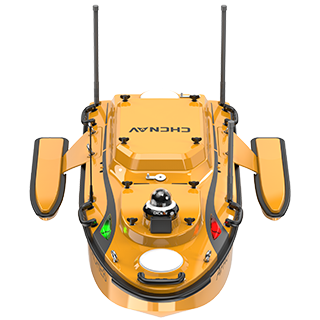
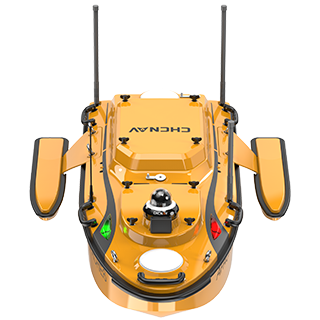
CHCNAV APACHE 6
Multibeam Bathymetric Surveys USV
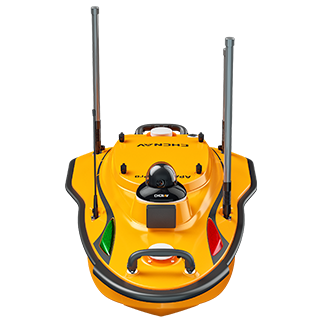
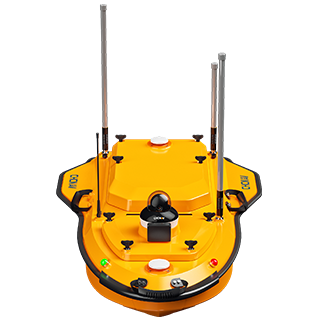
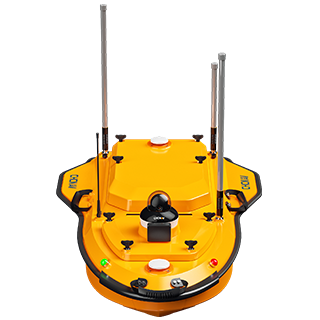
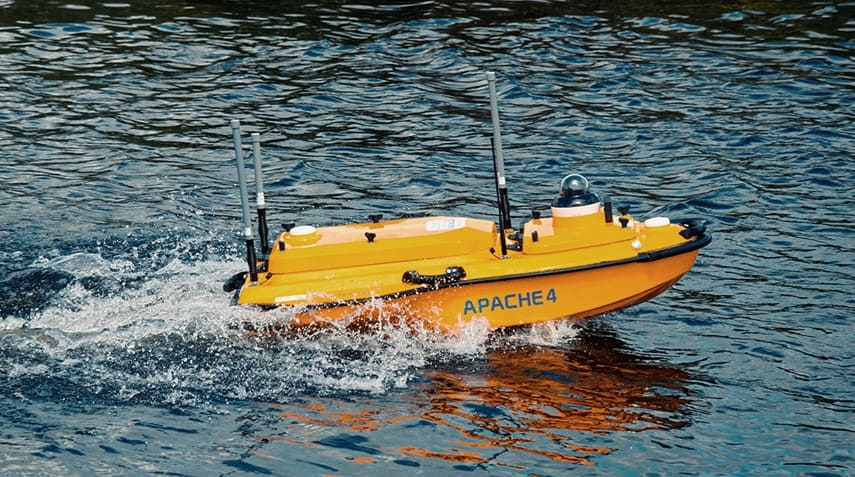
CHCNAV APACHE 4
Hydrographic and Bathymetric Surveys USV
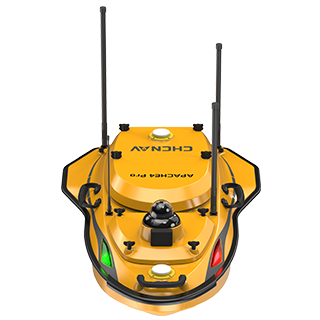
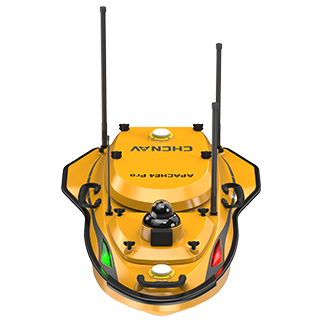
CHCNAV APACHE 4 PRO
Hydrographic and Bathymetric Surveys USV
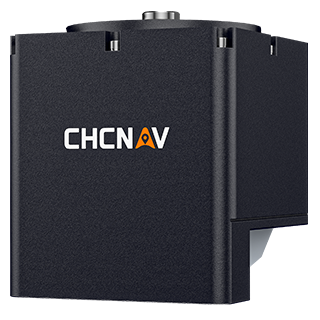
CHCNAV HQ-400
Lightweight Integrated Multibeam Echo Sounder
A multibeam echosounder with high-frequency operation, such as 550 kHz, is well suited for shallow water surveys because it provides higher resolution and more detailed seabed mapping. Systems with dual-frequency capability allow users to adapt to varying depths while maintaining data quality.
In turbid or sediment-rich waters, lower frequencies such as 400 kHz improve signal penetration and bottom detection. A dual-frequency multibeam system allows operators to switch between resolution and penetration depending on water conditions, ensuring reliable results.
Swath coverage refers to the width of the seafloor area measured in a single pass. It is typically expressed in degrees or as a multiple of water depth. Wider swath coverage, such as up to 145° or 6 times water depth, reduces survey lines and improves efficiency.
An inertial navigation system compensates for vessel motion, including roll, pitch, and heave. High-precision INS ensures stable data acquisition, reduces positioning errors, and maintains consistent survey quality, especially in dynamic or nearshore environments.
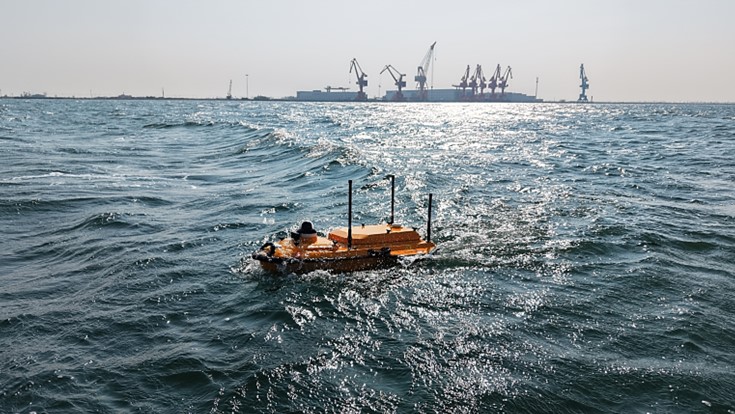
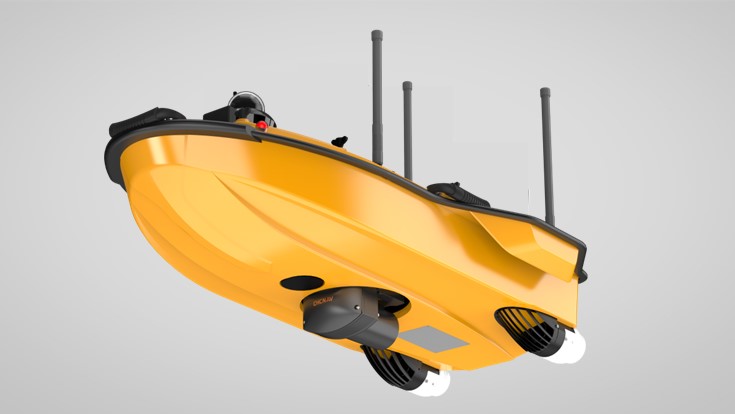
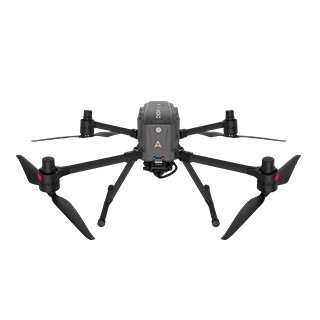
Yes, many modern multibeam echosounders are designed for integration with USVs. Lightweight and compact systems enable deployment on small platforms, supporting efficient and safe data collection in shallow, hazardous, or hard-to-access areas.
Dual-frequency operation allows surveyors to adapt to different environments without changing equipment. High frequency supports detailed shallow-water mapping, while lower frequency ensures reliable depth detection in deeper or complex conditions, reducing the need for multiple survey passes.
The price of the HN-400M multibeam echosounder depends on the configuration you choose. For detailed prices and options, please contact CHC Navigation via the contact page.
The HN-400M is a multibeam echosounder. Multibeam covers a wide swath of up to 145° per pass, while single-beam echosounders measure one single depth line at a time. Multibeam is faster for broader area surveys.
No. The HN-400M is calibration-free at install. The integrated IMU and transducer are factory-aligned, so the unit is ready for survey work as soon as it is powered up on the vessel or USV.
The HN-400M typically operates within a depth range of 0.2 m to 200 m, with actual performance depending on environmental factors such as water temperature and salinity.

.png)