Products
News
Event
Region
GlobalCHCNAV Hydrographic Surveying Solutions for Bathymetry and Marine Projects
A bathymetric survey is a type of hydrographic survey used to measure water depth and map the shape of the seafloor, riverbed, or lakebed. Bathymetric surveys support dredging, marine construction, environmental monitoring, navigation safety, and waterway management by providing accurate underwater terrain data.
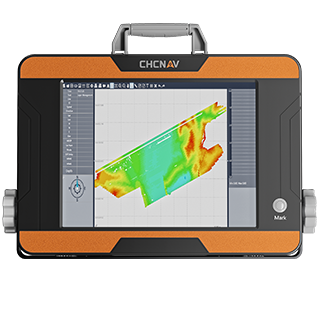
Bathymetric surveying is the process of collecting depth measurements and seabed data using hydrographic sensors such as single-beam or multibeam echo sounders. Bathymetric mapping is the process of turning that survey data into usable outputs such as contour maps, digital terrain models, and seabed surface models for analysis, planning, and reporting.
Accurate positioning is critical in bathymetric surveys because every depth sounding, current measurement, and seabed point must be referenced to the correct real-world coordinates. Without precise positioning, hydrographic data becomes less reliable, harder to reproduce, and more difficult to use for dredging design, construction verification, navigation safety, and long-term change detection.
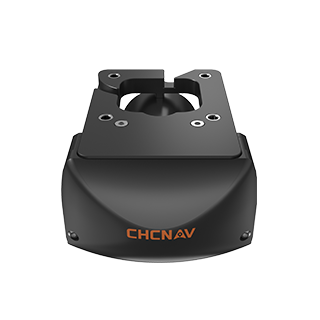
In professional hydrographic operations, GNSS RTK and inertial positioning are not simply navigation tools. They are fundamental to survey accuracy, helping ensure that bathymetric maps, current profiles, and underwater datasets remain consistent, georeferenced, and usable across engineering, monitoring, and waterway management workflows.

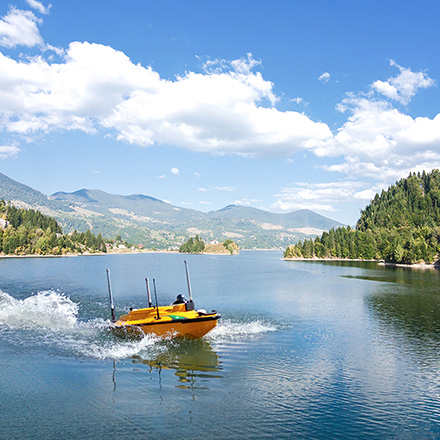
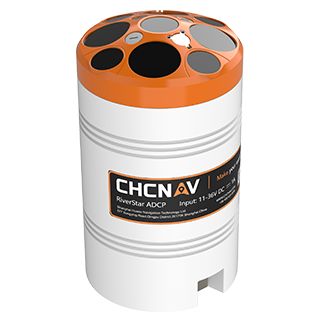
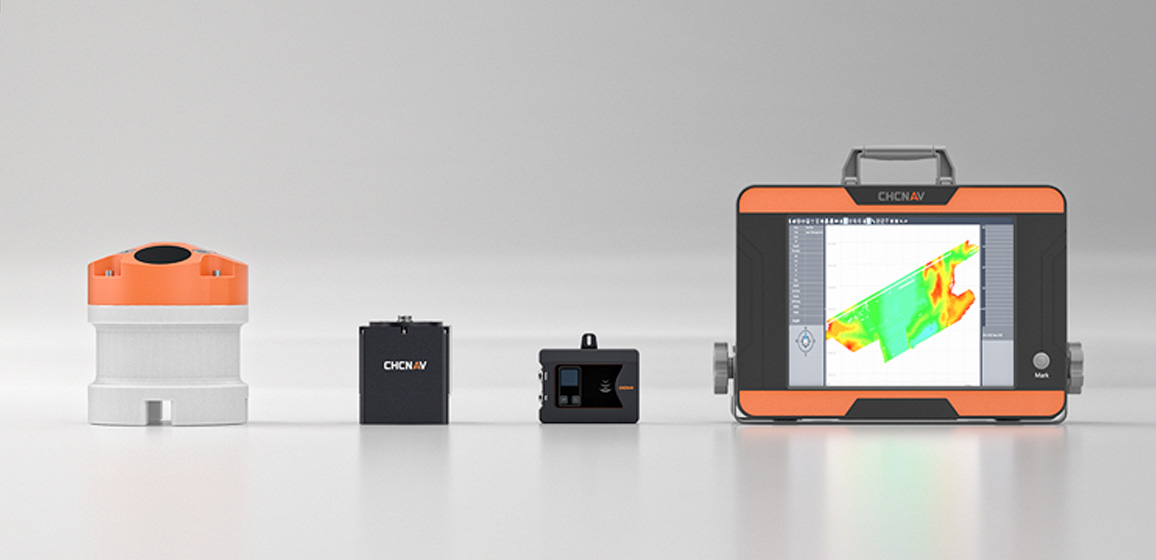
Hydrographic and bathymetric surveys commonly use single-beam or multibeam echo sounders, ADCPs, GNSS positioning, inertial sensors, and hydrographic software. These sensors are often integrated on manned vessels or autonomous USV platforms to ensure stable data acquisition and precise spatial referencing
Bathymetric mapping and hydrographic surveys are widely used in:
• Harbour and waterway management
• Dredging and sediment assessment
• Offshore and coastal engineering projects
• Marine construction and infrastructure inspection
• Environmental and habitat monitoring
They provide the depth and current data needed for design, monitoring, maintenance, and operational decision-making.
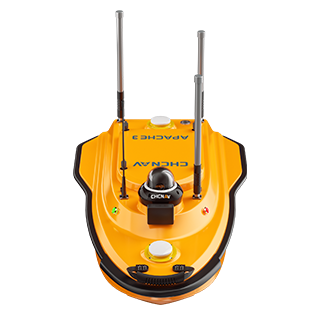
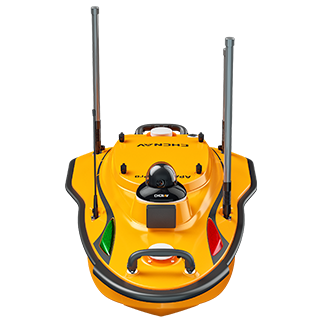
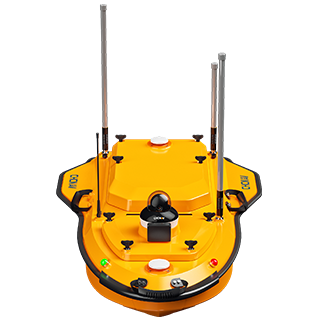
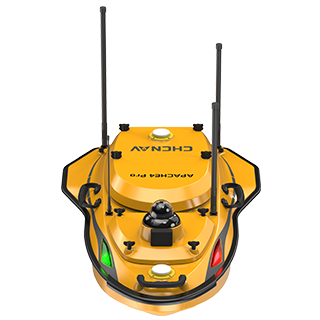
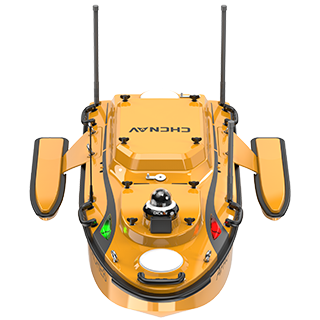
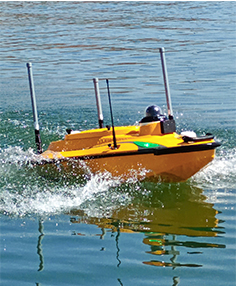
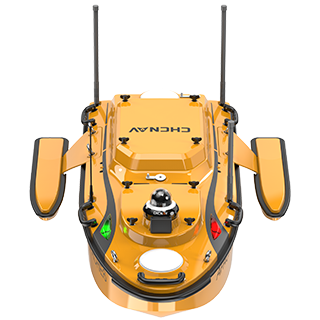
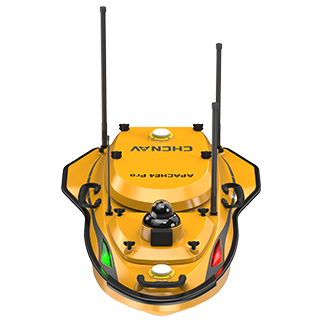
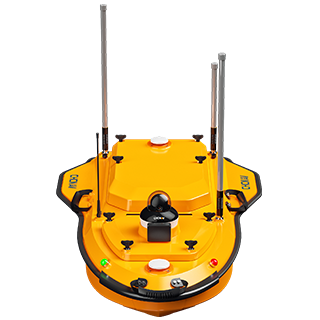
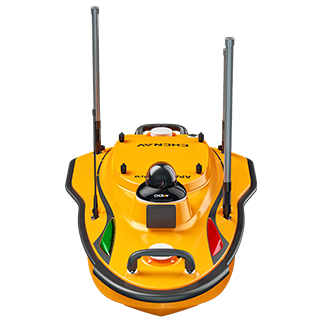
Yes. Autonomous USV platforms equipped with echo sounders and integrated marine positioning systems can efficiently perform bathymetric surveys and support high-resolution bathymetric mapping. USVs improve operational safety, enable access to shallow or hazardous areas and maintain consistent data quality across large survey areas.
Learn More